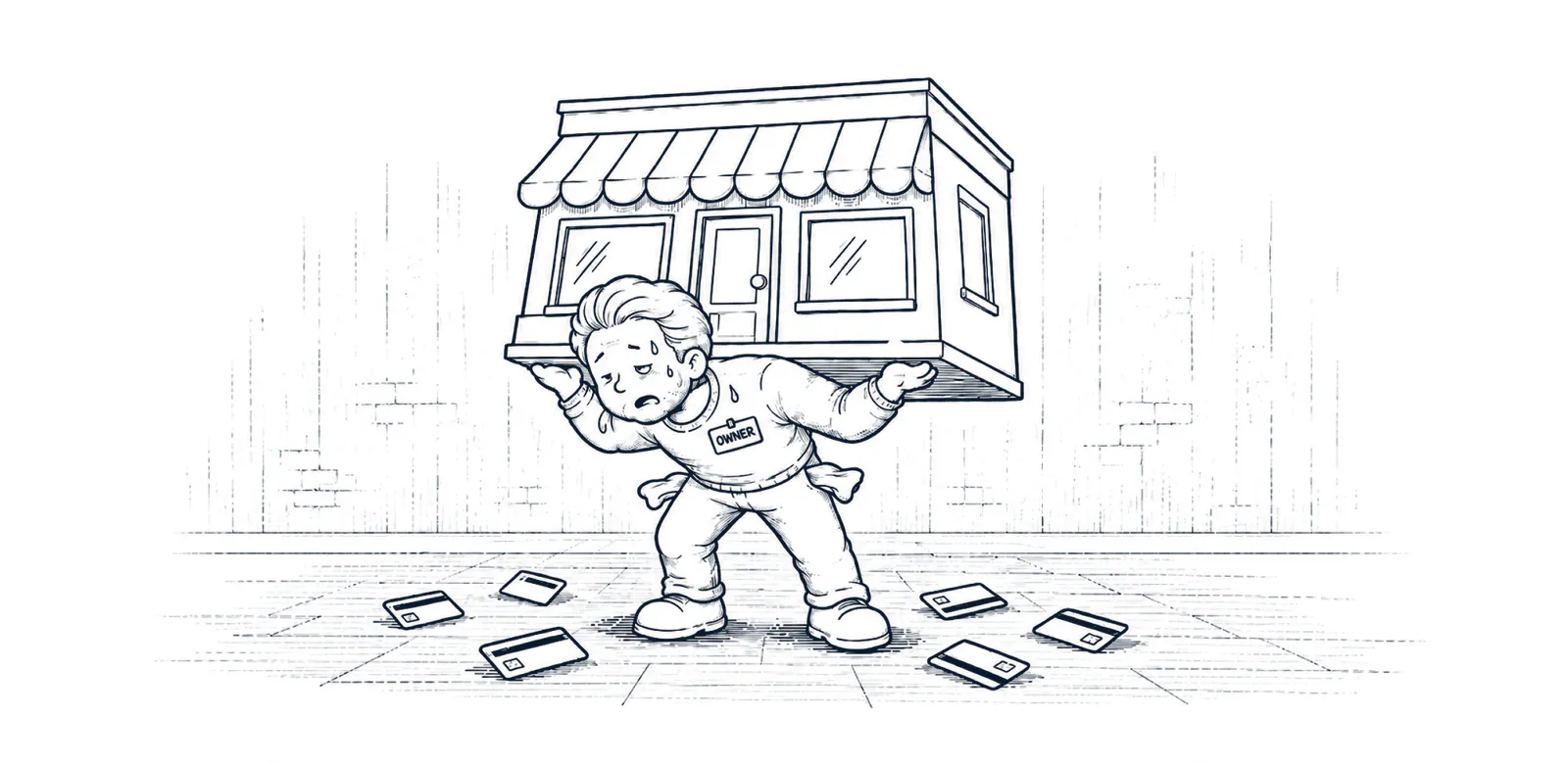
One of the most common questions I hear from business owners sounds perfectly reasonable.
“If I can finance a home at six percent, why does business financing cost so much more?”
At first glance, it feels like a fair comparison. After all, both involve borrowing money.
But they’re solving completely different problems.
Comparing a residential mortgage to commercial financing is a little like comparing homeowners insurance to business liability insurance. Both provide protection, but they’re covering entirely different risks.
A Mortgage Is One of the Safest Loans a Bank Can Make
When a bank finances a home, it has several advantages working in its favor:
- The loan is secured by a tangible asset with an established market value.
- Payments are spread over decades rather than months or years.
- Residential mortgages have been studied for generations, giving lenders enormous amounts of historical data to model risk.
- If something goes wrong, there is a well-defined legal process supported by collateral that can often recover a substantial portion of the outstanding balance.
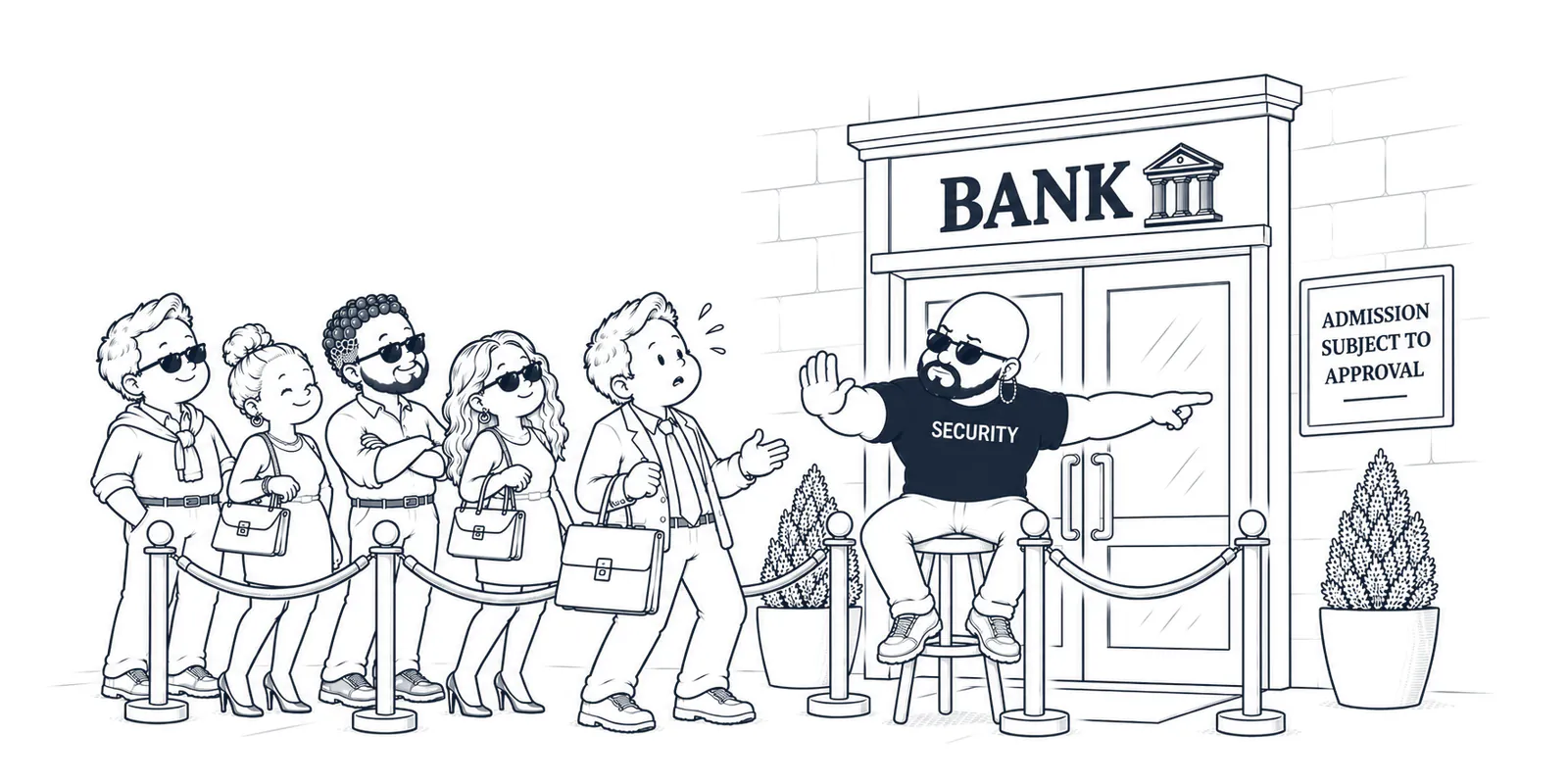
Commercial lending rarely offers that level of certainty.
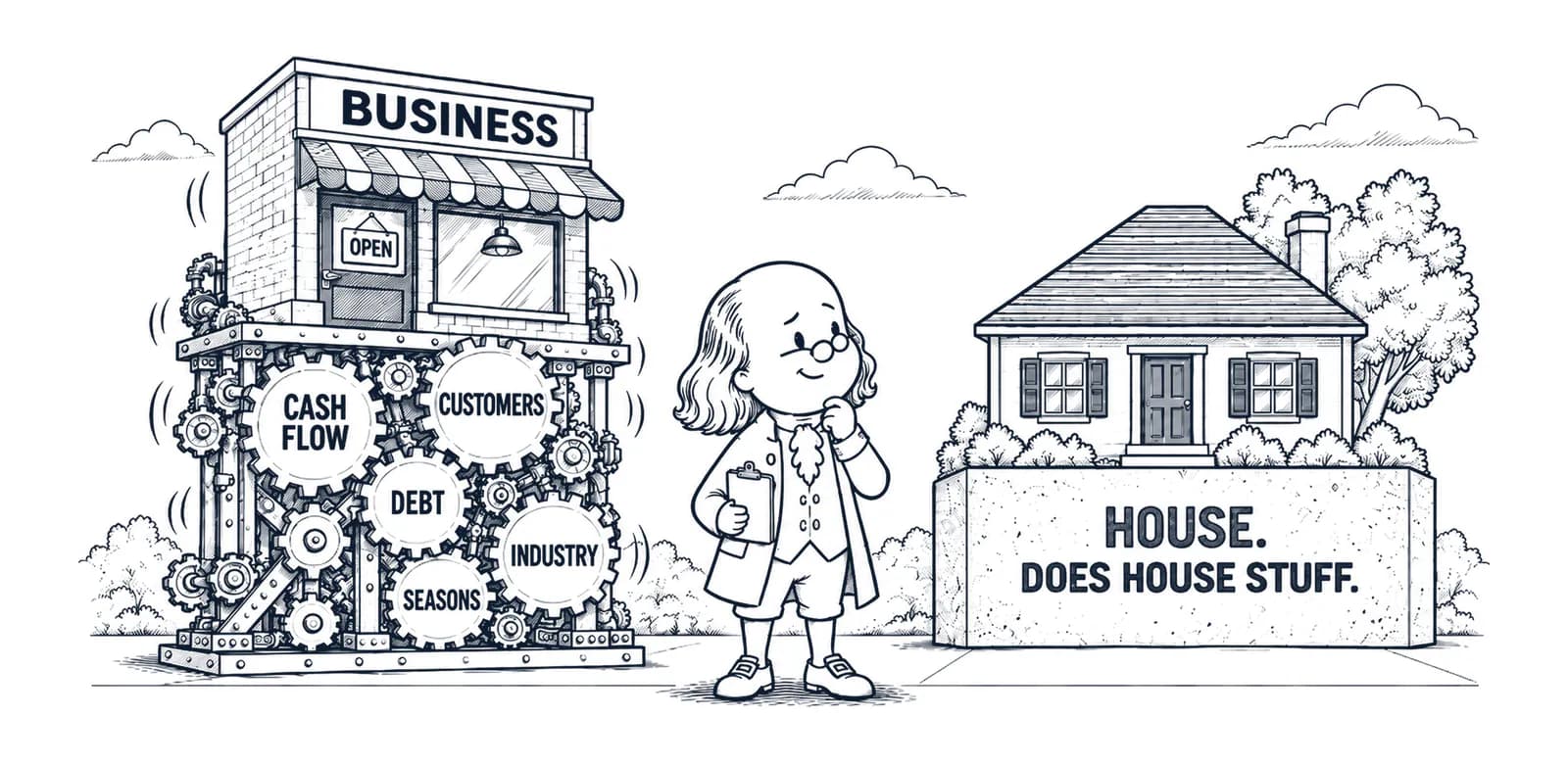
Businesses change. Revenue fluctuates. Industries evolve. Customers leave. Markets shift. Even healthy companies experience periods where cash flow rises and falls. From a lender’s perspective, financing an operating business simply involves more uncertainty than financing a home.
Businesses Don’t Fail for One Reason
One of the biggest differences between consumer lending and commercial lending is the number of variables involved.
A lender isn’t just evaluating whether the owner has a good credit score. They’re evaluating everything that influences whether repayment is likely over time:
- the stability of revenue
- the consistency of cash flow
- existing debt and profitability
- industry conditions
- banking relationships
- management experience, and dozens of other factors
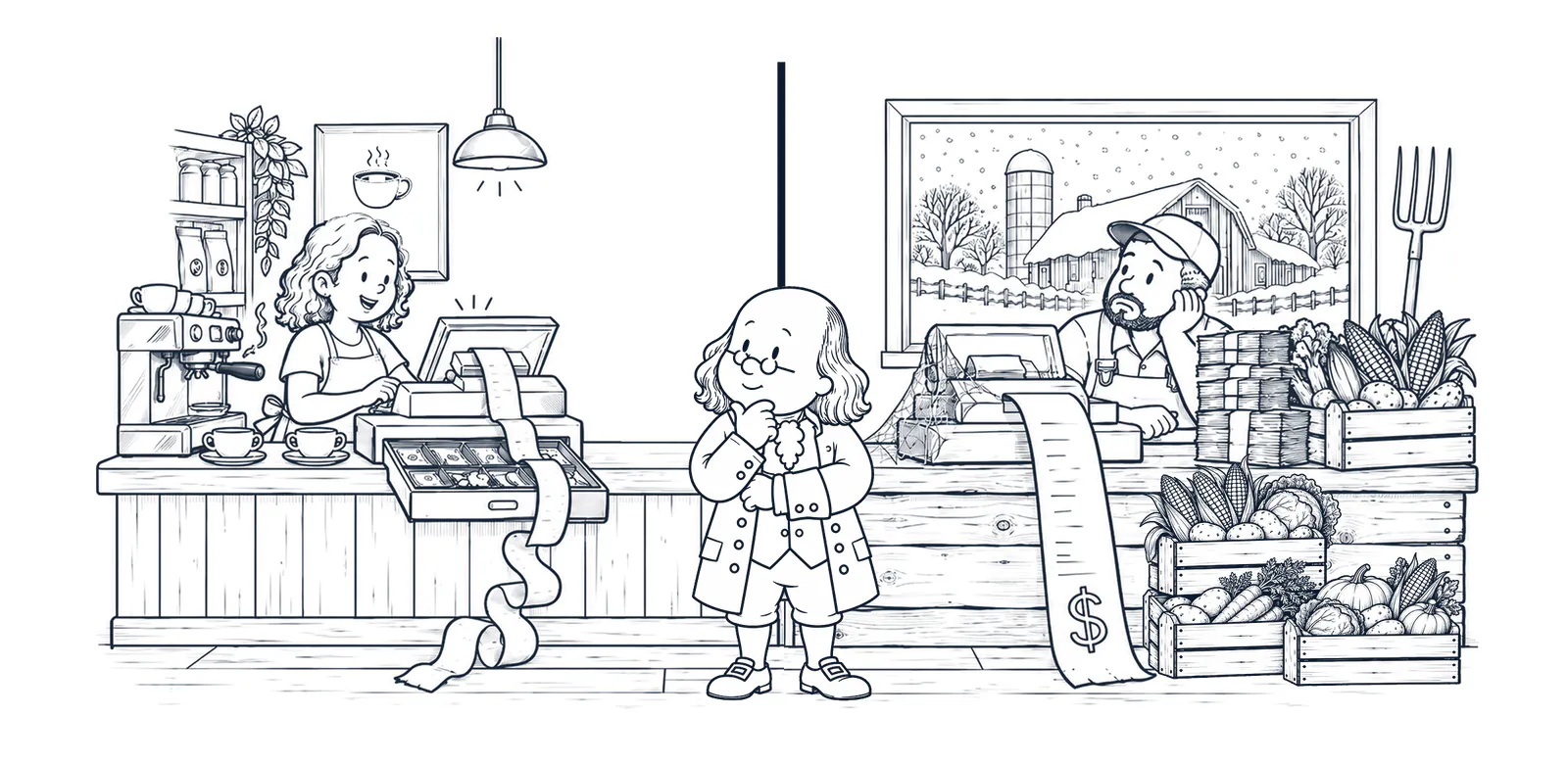
That’s why two businesses with similar annual revenue can receive completely different financing offers. One may have recurring monthly income and stable margins. The other may depend on a handful of customers or experience significant seasonal swings. The businesses may appear similar on paper, but they represent very different levels of risk.
You’re Not Paying for Money
Many business owners think they’re paying for money.
They’re not.
They’re paying for access to capital under a specific set of circumstances.
The interest rate reflects the lender’s confidence that the capital will be repaid according to the agreed terms. As uncertainty increases, so does the cost of providing that capital. That’s why businesses with stronger financial reporting, healthier cash flow, established banking relationships, and longer operating histories generally qualify for better financing over time.
The price isn’t changing because the money changed. The price changes because the risk changed.
Focus on the Factors You Can Control
It’s natural to shop for lower rates.
But many business owners spend far more time comparing lenders than improving the factors lenders actually evaluate:
- Healthier cash flow
- Cleaner financial reporting
- Lower debt
- Longer operating history
- Stronger banking relationships
Those are the things that expand financing options and reduce borrowing costs over time.
That’s one of the reasons we encourage business owners to think about capital before they need it. Building a stronger borrowing profile takes time, and time is one thing that’s usually in short supply once financing becomes urgent.
The Better Question to Ask
Instead of asking why your business loan doesn’t look like your mortgage, ask a different question.
“What can I do today to become a lower-risk borrower tomorrow?”
That’s the question lenders are already asking.
The businesses that consistently receive the best financing aren’t simply better at finding lenders.
They’re better at becoming the kind of business lenders want to finance.