Some of the healthiest businesses I’ve worked with made the same mistake.
Not because they were poorly managed. Not because they weren’t profitable. Simply because they were growing.
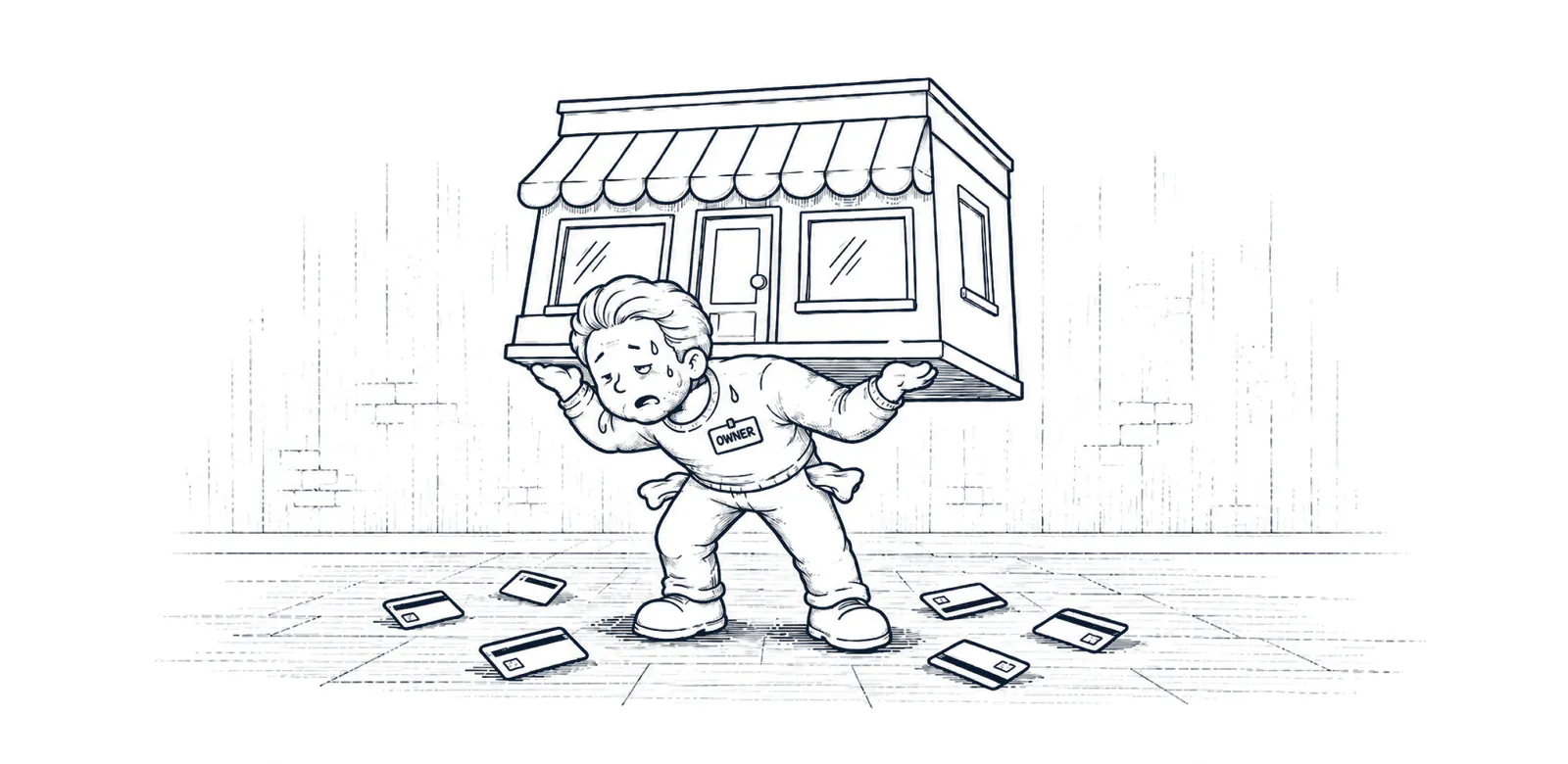
Like many entrepreneurs, the owners did whatever they had to do to keep the business moving. They put inventory on personal credit cards, covered payroll while waiting for customers to pay, purchased equipment with personal lines of credit, and assumed they’d clean everything up once cash flow caught up. Sometimes they did. More often, those temporary decisions quietly became part of the business’s operating model.
The irony is that many of these businesses were succeeding. Revenue was growing. Customers were coming in. The business looked stronger every year. But underneath that growth, the owner was slowly financing the company with their own balance sheet.
When the Business Becomes Personal
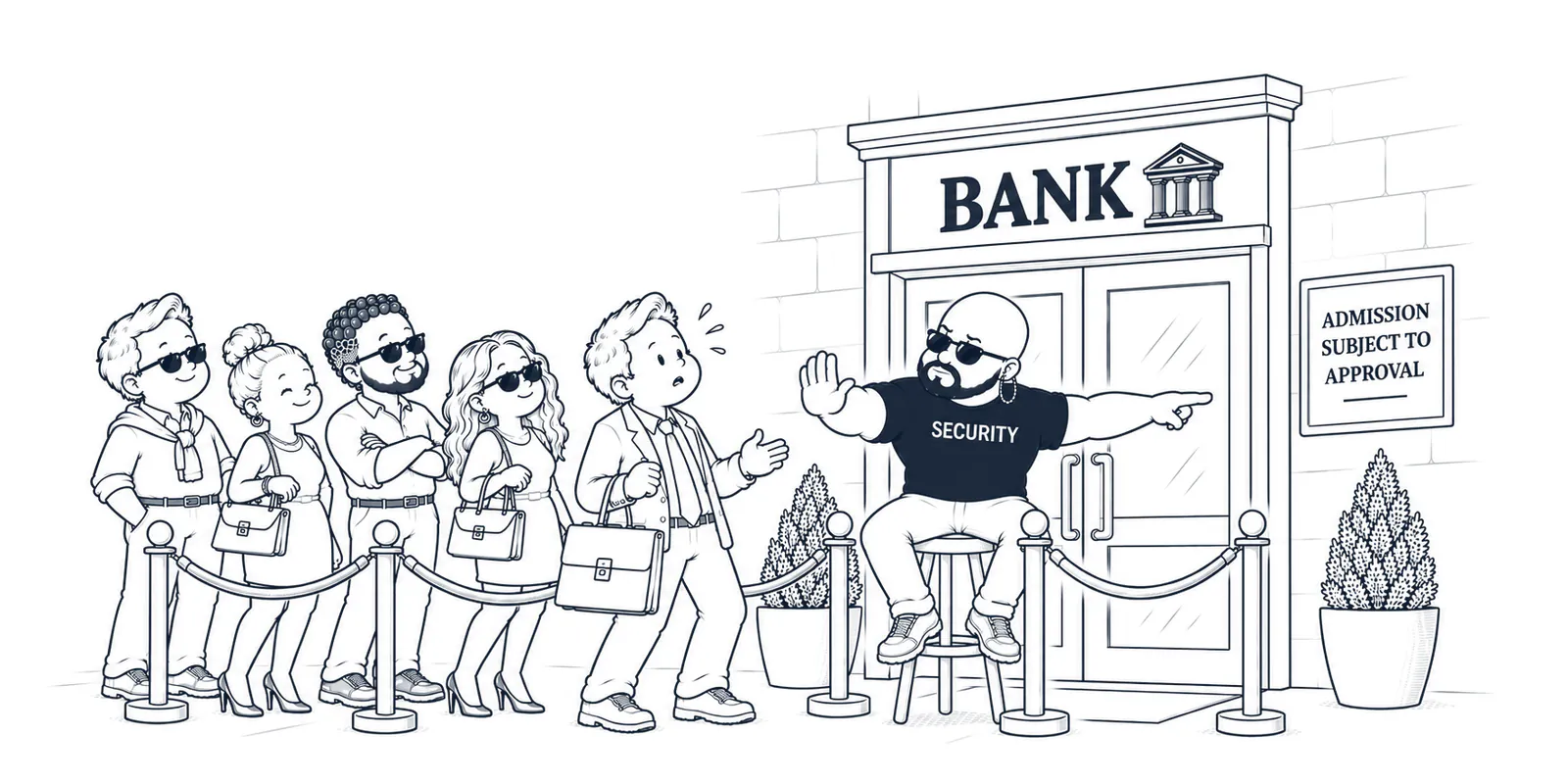
Many owners assume lenders evaluate only the business when they apply for financing. In reality, particularly with small and growing companies, lenders are often evaluating both the company and the owner behind it.
That’s where the trap begins.
Every time a business expense moves onto a personal credit card, the owner assumes more of the company’s financial burden personally. At first, that’s often the right decision. Every business requires sacrifices in its early years. But as months become years, rising utilization, larger revolving balances, and increasing personal obligations begin changing how lenders view the borrower.
Ironically, the business may be becoming healthier while the owner’s borrowing profile becomes weaker.
Temporary Solutions Have a Way of Becoming Permanent
There’s nothing inherently wrong with using personal credit to support your business. Many successful companies started exactly that way.
The problem begins when yesterday’s emergency quietly becomes today’s operating procedure. What started as a bridge for inventory, payroll, or seasonal cash flow slowly becomes the default way the business finances itself. Because each individual decision feels reasonable, business owners rarely notice the cumulative effect until they’re applying for financing and discover that many of the products they expected to qualify for are no longer available.
The business didn’t suddenly become less successful. Its financial foundation simply evolved in a direction that lenders view differently.
Build a Business That Can Stand on Its Own
One of the healthiest transitions a growing company can make is moving from financing the business personally to financing it as a business.
That transition doesn’t happen overnight. It happens gradually through stronger cash flow, better financial reporting, healthier banking relationships, retained earnings, and access to working capital that’s designed for the company rather than the owner. The objective isn’t simply to borrow differently. It’s to build a business that no longer depends on the owner’s personal balance sheet every time additional capital is needed.
That’s one of the reasons we encourage clients to think about financing before they urgently need it. Building financial infrastructure while the business is healthy is almost always easier than trying to build it during a cash-flow crisis.
Protect Your Future Borrowing Capacity
Every financing decision influences the next one.
When a business consistently relies on the owner’s personal credit to solve operational challenges, today’s solution can quietly reduce tomorrow’s opportunities. Better financing often becomes harder to access, not because the business isn’t succeeding, but because the owner has unintentionally weakened the financial profile lenders evaluate.
The goal isn’t to avoid using personal credit altogether. Sometimes it’s exactly the right tool.
The goal is to reach the point where the business no longer has to rely on it.
That’s one of the clearest signs a company has moved beyond simply surviving and begun building a financial foundation that can support long-term growth.