If you asked me to name the financing product I wish more business owners already had, my answer probably wouldn’t surprise people who know me.
A business line of credit.
Not because every business needs to borrow money all the time. Quite the opposite. I like lines of credit because the healthiest businesses often use them the least. They’re there when they’re needed, available before they become urgent, and flexible enough to solve short-term cash-flow challenges without forcing owners into financing that was never designed for the situation.
That’s why I believe every growing business should be working toward one, even if it doesn’t need one today.
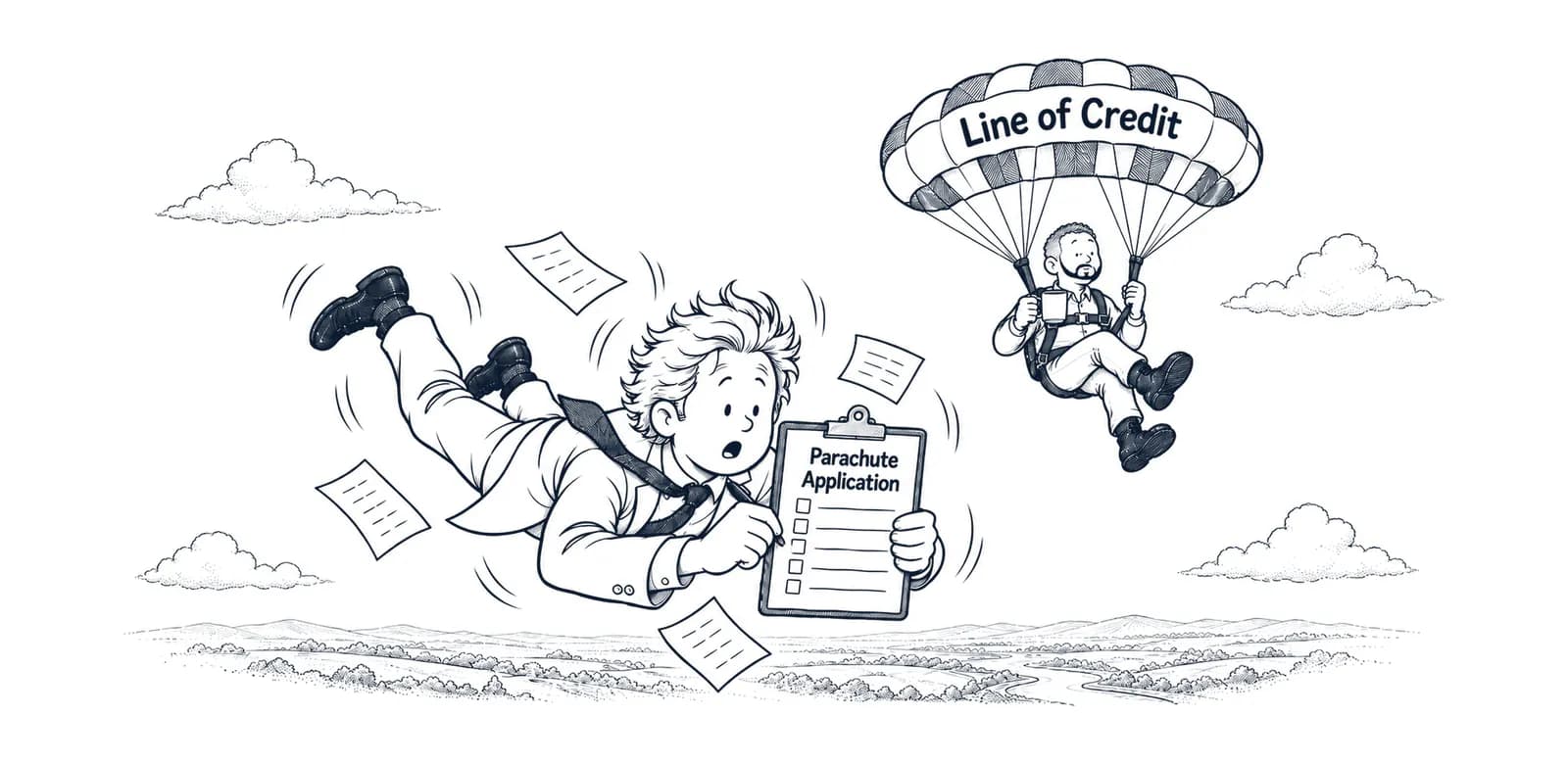
The Best Time to Get a Line of Credit Is Before You Need It
One of the biggest misconceptions in commercial lending is that financing begins when cash runs short.
By then, many of the best options have already disappeared.
When payroll is due Friday, equipment has already failed, or a large customer is sixty days late paying an invoice, business owners naturally become focused on one thing: getting money as quickly as possible. Speed becomes the priority because there isn’t enough time for anything else.
Lenders understand that urgency.
Unfortunately, urgency changes the choices available. Financing that works well as an emergency solution isn’t always the financing you would have chosen six months earlier if you had more time to plan. That’s why I encourage business owners to think about a line of credit while the business is healthy, not while it’s under pressure.
Cash Flow Rarely Arrives on Schedule
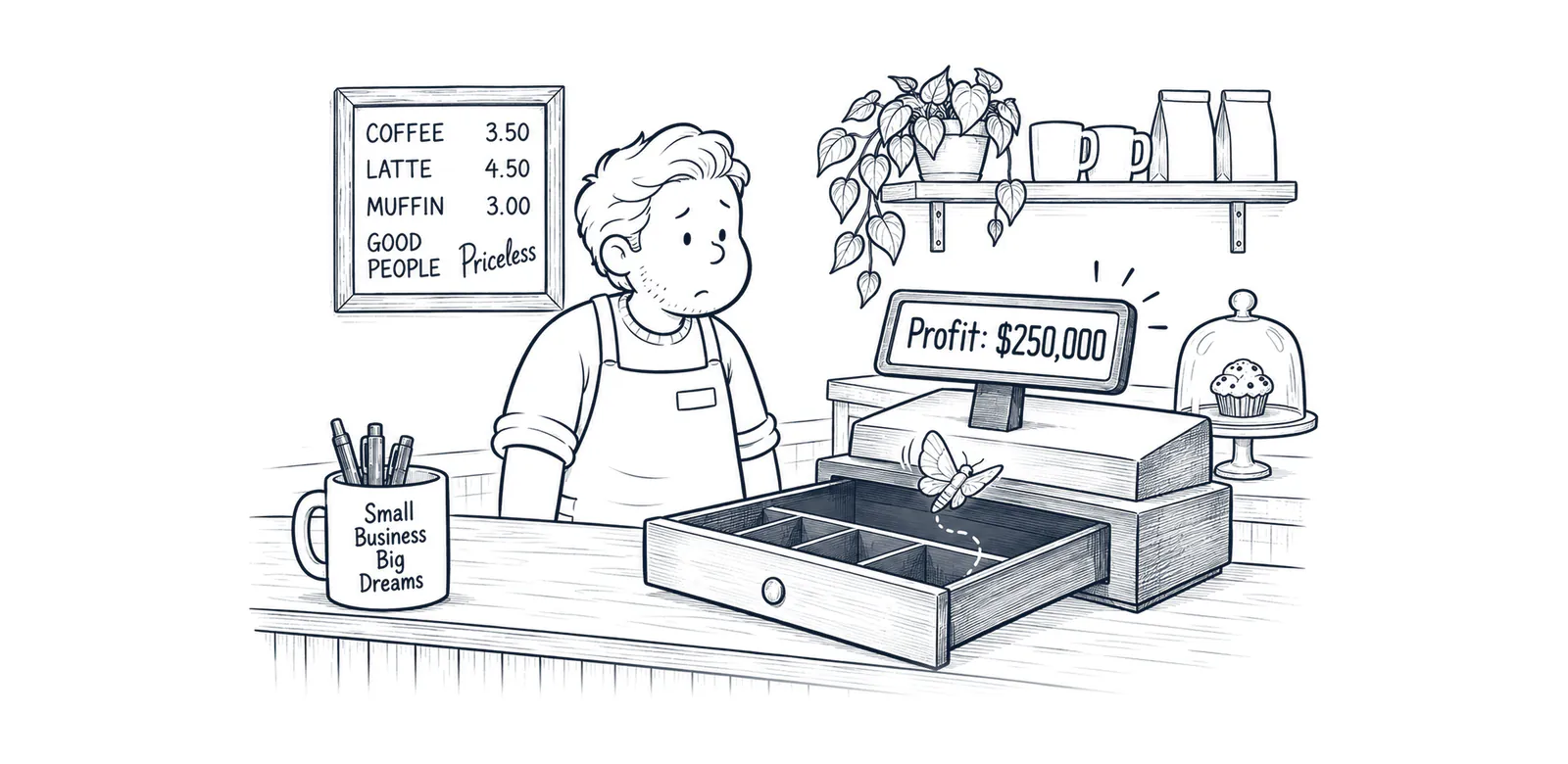
One of the lessons every business owner eventually learns is that profitable doesn’t always mean liquid.
You can complete the work, send the invoice, and know you’ll eventually get paid. That doesn’t mean payroll waits. Vendors don’t usually wait. Rent doesn’t wait. Insurance doesn’t wait. The business continues operating long before many customers actually pay.
That’s why cash-flow gaps exist even inside healthy companies.
Seasonal businesses experience them every year. Contractors experience them while waiting for receivables. Professional service firms experience them when projects finish before invoices are collected. Retailers often experience them before busy seasons when inventory has to be purchased well in advance of the revenue it will eventually generate.
Those aren’t failures. They’re part of operating a business.
A line of credit exists to bridge those predictable timing differences without forcing every temporary cash shortage to become a financial emergency.
Flexibility Has Value
One of the reasons I like lines of credit so much is that they don’t require business owners to borrow more than they actually need.
With many financing products, you receive one lump sum, begin making payments, and continue paying interest on the entire amount until the obligation is satisfied.
A line of credit works differently.
If the business needs $25,000 for thirty days while waiting for a large customer payment, it can generally borrow only what it needs, repay it when the receivable arrives, and preserve the remaining availability for the next situation. The objective isn’t carrying debt indefinitely. The objective is maintaining flexibility without constantly arranging new financing every time cash flow temporarily tightens.
That flexibility becomes increasingly valuable as a business grows.
Growth Creates New Demands
One of the biggest surprises for successful business owners is discovering that growth often creates cash-flow pressure before it creates additional cash.
Larger orders require larger inventory purchases. New employees have to be paid before additional revenue arrives. Expansion usually requires spending money months before the investment begins producing returns.
From the outside, the business looks healthier than ever. Inside the bank account, cash can become tighter than it was before the growth began.
That’s one of the reasons I don’t think lines of credit should be viewed as emergency products. They’re growth tools. They allow healthy businesses to continue making healthy decisions instead of delaying opportunities simply because cash hasn’t caught up with revenue yet.
Not Every Business Qualifies Immediately
This is the part many owners don’t like hearing.
Just because a business wants a line of credit doesn’t mean it’s ready for one.
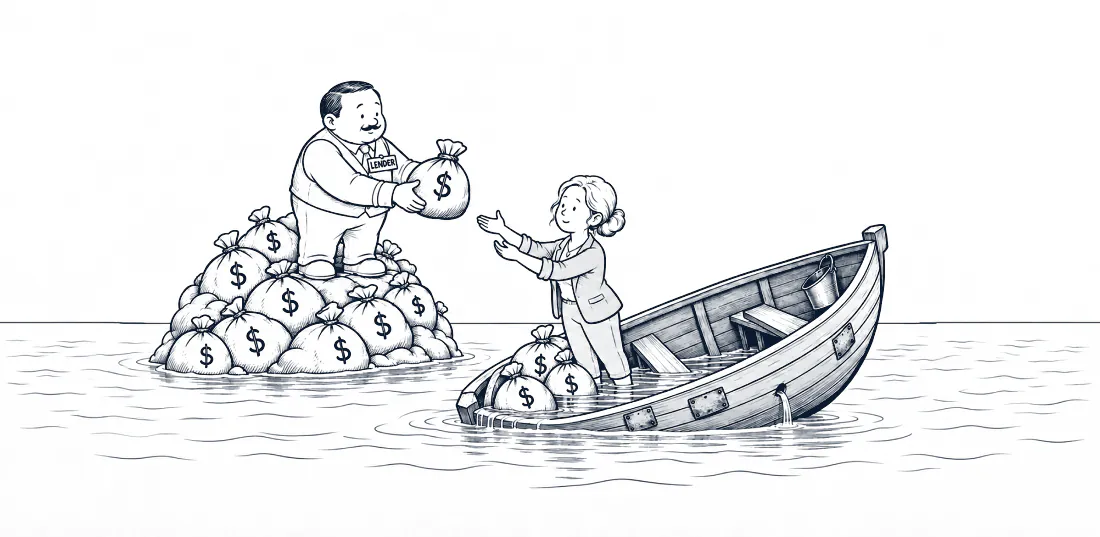
Banks and commercial lenders generally reserve their most flexible products for businesses that have demonstrated consistent financial performance, predictable cash flow, organized financial reporting, and a borrowing profile that gives them confidence. That’s exactly why I encourage owners to begin working toward a line of credit long before they actually need one.
Improving financial statements, strengthening banking relationships, reducing unnecessary debt, building operating history, and maintaining healthy cash flow all increase the likelihood that better financing becomes available later.
The line of credit isn’t the first step. For many businesses, it’s the destination.
Every Funding Decision Should Move You Closer
One of the questions I ask myself whenever we’re discussing financing is whether today’s recommendation improves tomorrow’s options.
Sometimes short-term financing is exactly the right decision because it stabilizes the business long enough to strengthen financial performance and qualify for something better later. Sometimes the right recommendation is waiting another quarter before applying. Sometimes it’s improving the business instead of adding debt.
Whatever path we recommend, there should always be a destination beyond today’s transaction.
For many businesses, that destination is a well-managed line of credit supported by a stronger company than the one that first came looking for financing.